
Responsible Consumption Starts at Home

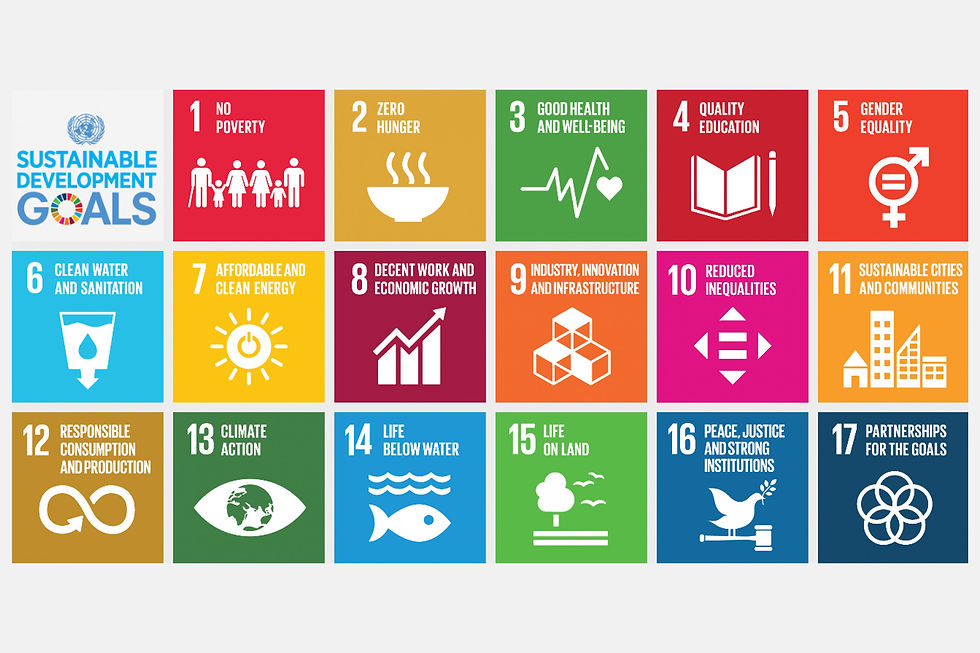
What SDG #12 Looks Like in Daily Life
When people hear about global sustainability goals, the scale can feel overwhelming. International agreements. National policies. Corporate responsibility. It’s easy to assume the work happens somewhere far away, handled by someone else.
But United Nations Sustainable Development Goal 12 is built on a quieter truth: global systems are shaped by everyday habits repeated millions of times.
Responsible consumption doesn’t begin in factories or boardrooms.
It begins in kitchens, bathrooms, closets, and daily routines.
What “Responsible Consumption” Actually Means
SDG #12 isn’t asking people to live with nothing. It’s asking us to use resources with intention, reduce unnecessary waste, and make choices that don’t create harm downstream.
In daily life, that often looks less dramatic than people expect.
It looks like noticing how many products you rely on to solve the same problem.
It looks like questioning convenience when convenience creates constant replacement.
It looks like choosing durability, repairability, or simplicity over novelty.
Responsible consumption is rarely about doing more. It’s about doing less, better.
Habits Create Waste Before Trash Does
Waste isn’t created at the trash can. It’s created much earlier—at the moment of purchase, habit formation, or routine design.
When something is bought without a clear purpose, it becomes clutter.
When food is purchased without a plan, it becomes waste.
When products are used to replace skills, dependency increases.
SDG #12 emphasizes prevention for this exact reason. Reducing waste is far more effective when it happens upstream, through conscious decisions, rather than downstream cleanup.
That’s why sustainable living focuses so heavily on habit awareness. Once habits change, waste reduction follows naturally.
From Consumption to Participation
Modern life encourages passive consumption: buy, use, discard, repeat. Sustainable living invites something different—participation.
Participation means knowing where food comes from, even if you don’t grow it all yourself.
It means understanding what’s in the products you use regularly.
It means developing a few practical skills that reduce reliance on disposable solutions.
This isn’t about returning to the past. It’s about restoring balance—where technology and products serve life instead of replacing it.
Why This Matters More Than Ever
SDG #12 exists because current consumption patterns aren’t neutral. They affect ecosystems, human health, supply chains, and future resilience. But change doesn’t require everyone to act at once.
It requires people who are willing to:
look honestly at their routines
simplify where possible
reduce waste through better upfront choices
shift from impulse to intention
Those changes compound. Quietly. Powerfully.
Sustainable Living as a Practice, Not a Performance
Responsible consumption isn’t something you perform for others. It’s something you practice for yourself.
It’s lived in small, consistent decisions that make life feel more functional and less fragmented. Over time, those decisions shape households, communities, and cultures.
SDG #12 gives us a shared framework. Sustainable living gives us a way to embody it.
And it all starts at home.


Comments