
Sustainable Living Isn’t a Trend — It’s a Responsibility We Relearn

Sustainable living has been marketed as a lifestyle upgrade: cleaner products, greener labels, better branding. But at its core, sustainability isn’t aesthetic. It’s functional. It’s about whether our daily habits actually make sense—for our health, our communities, and the systems that support life.
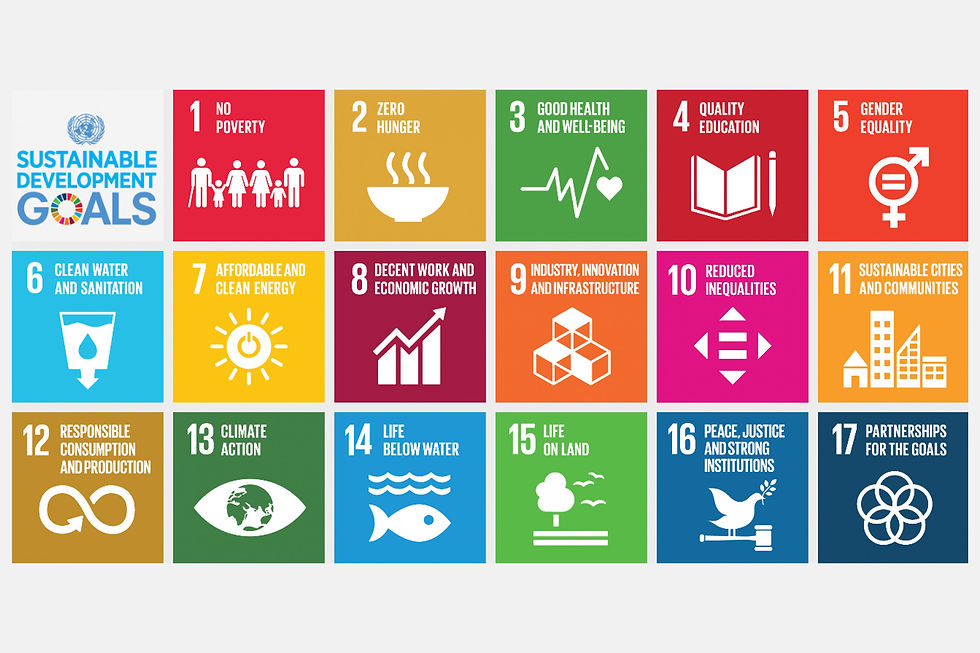
That idea sits at the heart of United Nations Sustainable Development Goal 12, which focuses on responsible consumption and production. In simple terms, it asks us to pay attention to how much we use, why we use it, and what happens because of it.
At Life Abounds Wellness, sustainable living begins there—not with guilt or restriction, but with awareness.

Consumption Is Personal Before It’s Global
Global sustainability goals can feel abstract until you realize they’re built from millions of small, personal patterns repeated every day.
What we buy.
What we throw away.
What we tolerate in our food, homes, and bodies.
What we replace instead of repair.
Goal #12 isn’t about doing everything “right.” It’s about reducing waste and harm by making more intentional decisions from the start, rather than reacting after the fact.
That might mean using fewer products overall instead of endlessly switching brands.
It might mean understanding where food comes from and how it’s produced.
It might mean stepping out of convenience culture long enough to ask whether something is actually necessary.
These aren’t grand gestures. They’re quiet course corrections.
Sustainable Living Is a Transition, Not a Personality
Most people don’t need more information. They need a way to apply what they already sense is off.
Sustainable living, as practiced here, isn’t about perfection, deprivation, or ideology. It’s about building systems that work in real life—systems that don’t rely on constant discipline or moral pressure.
That’s why this work focuses on:
reducing unnecessary chemical and product exposure
minimizing waste through better upfront choices
reconnecting with natural rhythms that support physical and mental health
learning practical skills that increase self-sufficiency and confidence
These shifts align directly with Goal #12, but they also align with something more immediate: living a life that feels grounded and coherent.
Why Habit Awareness Matters
Responsible consumption isn’t a one-time decision. It’s a pattern.
When people begin paying attention to their habits—not to judge them, but to understand them—they start to see where change is actually possible. And sustainable change almost always happens at the habit level, not the ideological one.
That’s why education is central to this work. Not lectures. Not mandates. Education that helps people see their own systems clearly and decide what they’re ready to change.
Sustainable living doesn’t ask you to save the world.
It asks you to participate consciously in your own life.
From there, the ripple effects take care of themselves.


Comments